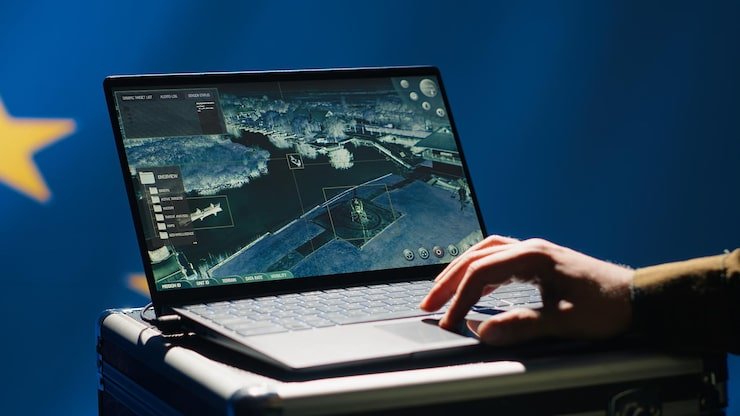
3D measurement in the Netherlands is a core technology for architecture, engineering, and construction projects that require high levels of accuracy. By using laser scanning and photogrammetry, professionals can capture physical environments as precise digital datasets, reducing uncertainty and improving decision-making across all project phases.
What is 3D measurement and how it works
3D measurement is the process of collecting spatial data in three dimensions, typically through LiDAR scanners or image-based methods. These technologies record millions of points that describe the exact geometry of objects, buildings, and terrain, producing highly reliable datasets.
Why 3D measurement is essential in the Netherlands
The Netherlands presents unique challenges such as dense urban areas, complex infrastructure, and strict regulatory standards. 3D measurement allows teams to document existing conditions accurately, which is critical for renovation, infrastructure upgrades, and redevelopment projects.
Accuracy and efficiency advantages
Compared to traditional surveying, 3D measurement offers higher precision and complete spatial coverage. Once data is captured, measurements can be taken digitally at any time without additional site visits, saving time and reducing operational costs.
Integration with BIM and CAD workflows
3D measurement data integrates seamlessly with BIM and CAD software. This enables the creation of accurate models, validation of dimensions, and early detection of conflicts, supporting smoother collaboration between designers, engineers, and contractors.
Long-term value of 3D measurement data
As projects evolve, having reliable as-built data becomes increasingly important. 3D measurement provides a reusable digital asset that supports maintenance, future renovations, and long-term asset management in the Dutch built environment.