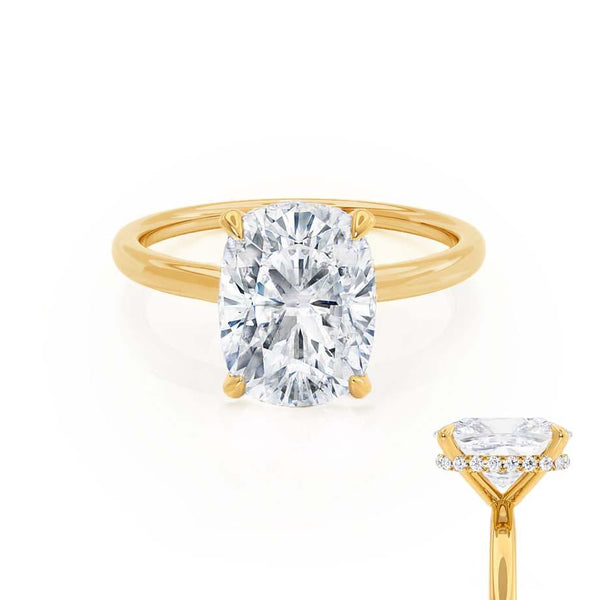
Modern design has been shaped by a growing preference for clean lines, uncluttered layouts, and intentional simplicity. Yet many people still crave personality, creativity, and emotional depth within their spaces. This is where balancing modern minimalism with artistic expression becomes both a challenge and an opportunity. In the world of thoughtful design,lily arkwright often comes up as a reference to how simplicity and creativity can coexist harmoniously. Achieving this balance requires an understanding of how minimalism can enhance, rather than oppose, artistic elements.
Minimalism has long been associated with restraint and reduction. It focuses on removing what is unnecessary so that what remains carries greater impact. In interior design, fashion, and visual art, minimalism creates a sense of calm through structure and clarity. A minimalist space avoids visual noise, guiding the eye naturally and allowing breathing room in both physical and emotional senses. This clarity forms the perfect foundation for artistic expression to thrive. When art is placed within a minimalist context, its details, colors, and textures become more pronounced.
Artistic expression, on the other hand, represents individuality and storytelling. It brings warmth, dimension, and a sense of human presence. Artistic elements may include bold colors, mixed media, handcrafted pieces, unconventional shapes, or meaningful symbolism. Without mindful framing, these elements can overwhelm a space. However, when paired thoughtfully with minimalism, they transform into focal points rather than visual clutter.
One effective approach to balancing the two styles is through selective showcasing. Instead of filling a room with numerous decorative objects, choosing one or two impactful pieces creates emphasis without compromising simplicity. A single sculpture on an otherwise bare surface or a striking painting on a clean wall communicates artistic depth while maintaining minimalist discipline. This method uses contrast to draw attention in a powerful but controlled way.
Another strategy is to embrace natural elements as both minimalist and artistic features. Materials like stone, wood, metal, and glass can serve functional purposes while also offering rich textures and subtle visual interest. These materials introduce organic artistry into a room without feeling excessive. Their raw, authentic characteristics align well with the minimalist philosophy of valuing essentials while also contributing artistic expression through pattern, grain, and form.
Color also plays a key role in bridging modern minimalism and artful design. Neutral palettes such as white, beige, and soft gray provide a neutral canvas. Within this environment, accent colors become more meaningful. A deep blue vase, a warm-toned textile, or a vivid artwork can enrich the space without overpowering it. By using color intentionally and sparingly, designers can create balance between calmness and creativity.
Furniture and functional pieces offer another opportunity for harmony. Modern minimalist furniture tends to feature sleek silhouettes and unobtrusive shapes. However, artistic expression can be introduced through statement pieces that maintain functionality while adding sculptural quality. A uniquely designed chair, lamp, or table can act as both a useful item and a work of art. This approach allows artistry to integrate seamlessly into daily living rather than existing purely as decoration.
Achieving balance ultimately requires mindfulness. It involves appreciating the purpose of minimalism while recognizing the importance of individual expression. Rather than treating these two concepts as opposites, they can complement each other when approached with intention. Minimalism provides clarity. Artistic expression gives soul. Together, they create spaces that are both serene and inspiring, structured and expressive.