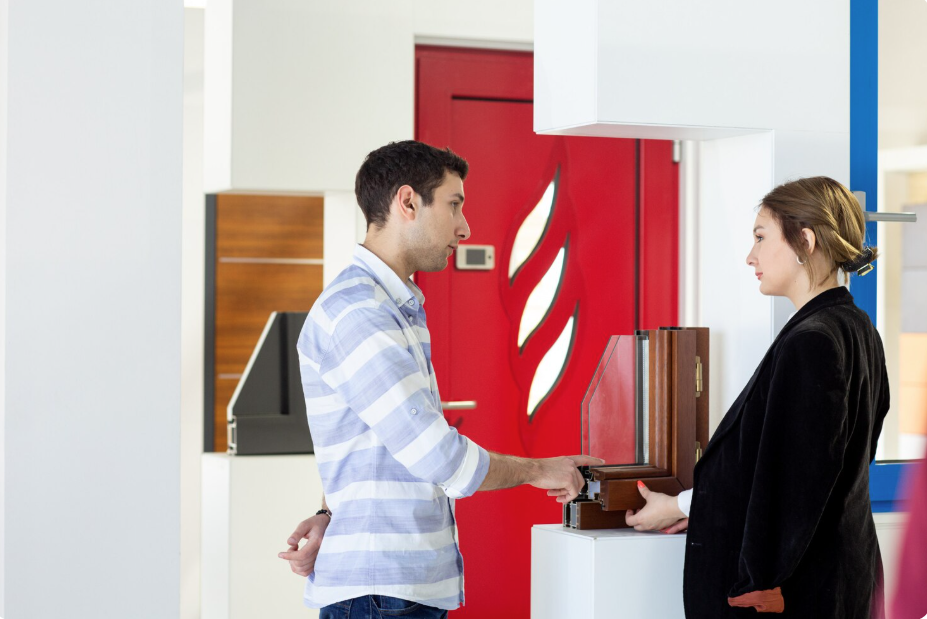
Trade shows represent significant investments for exhibiting brands, yet many companies fall short of maximizing their return by treating booth design as an afterthought. The difference between a forgettable booth and a memorable one often comes down to fundamental design principles. Whether you’re working with an experienced exhibition stand builder, managing exhibition stand design in-house, or overseeing stands for exhibitions across multiple events, understanding the five essential elements that create high-impact designs will transform your exhibition strategy. These elements—visual hierarchy, interactive engagement, strategic lighting, optimized layout, and compelling brand messaging—work together synergistically to create environments that don’t just attract attention but genuinely engage visitors and drive measurable business outcomes.
The most successful exhibition stands you’ve encountered probably didn’t feel like they were trying too hard. Instead, they felt intuitively understandable, visually compelling, and genuinely inviting. That sense of effortless effectiveness isn’t accidental—it’s the result of thoughtful application of core design principles. This comprehensive exploration of those principles will equip you to evaluate existing designs, brief design professionals more effectively, and understand what separates remarkable booths from the countless forgettable ones surrounding them.
Element One: Visual Hierarchy—Guiding Attention Strategically
Visual hierarchy is the foundation upon which all effective booth design rests. It’s the system of prioritization that determines what visitors notice first, second, and third when they glance at your stand. In an environment where thousands of stimuli compete for attention simultaneously, your booth’s visual hierarchy either works brilliantly or fails catastrophically—there’s rarely middle ground.
Effective visual hierarchy begins with understanding what you actually want visitors to focus on. Is it your company logo and brand? A specific product? A demonstration area? A call-to-action inviting visitors to schedule meetings? Clarity about your primary focal point is essential because visual hierarchy exists to drive eyes toward that primary element, then sequence additional information in order of importance.
Size is the most obvious hierarchical tool. Your primary focal point should be the largest element in your booth design. This doesn’t require overwhelming visitors with scale—it simply means your most important element should be noticeably larger than supporting elements. A manufacturer’s booth might prioritize their flagship product, displayed at prominent scale. A software company might emphasize their brand mark and core value proposition. A service provider might feature testimonials or case results. Whatever your primary focal point, size draws eyes there first.
Color functions as a secondary hierarchical tool. Vibrant, contrasting colors advance visually, while muted tones recede. Strategic color choices make important elements “pop” while allowing supporting information to remain visible but subordinate. Most effective booth designs use one bold, attention-grabbing color strategically rather than applying multiple saturated colors throughout. This restraint creates sophistication while ensuring important elements genuinely stand out.
Contrast extends beyond color to include variations in texture, scale, and complexity. Surrounding your primary focal point with simpler, less detailed elements makes that focal point feel more significant by comparison. A striking graphic featuring bold typography and limited color palette feels more impactful when surrounded by clean white space and understated supporting materials.
Positioning reinforces hierarchy naturally. Elements placed at eye level attract more attention than those positioned higher or lower. Vertical elements draw eyes upward (which creates perceived spaciousness), while horizontal elements feel grounded and stable. Understanding sightlines from different distances helps you position key messaging where it will actually be noticed.
The principle of progression allows visitors to move through your booth narrative logically. Rather than overwhelming them with all information simultaneously, visual hierarchy guides them through a sequence: awareness (primary focal point), interest (supporting elements), consideration (interactive areas), and action (contact or transaction opportunities).
Element Two: Interactive Elements—Transforming Passive Observation into Engagement
Static displays belong to an earlier era of exhibition design. Modern visitors expect—even demand—opportunities for genuine interaction. Interactive elements don’t just make booths more interesting; they fundamentally transform the nature of visitor engagement. Research consistently shows that visitors who physically interact with booth elements spend significantly more time in the space, remember the brand more vividly, and are substantially more likely to take desired actions.
Interactive elements need not be technologically sophisticated to be effective. The most impactful interactions are those that serve genuine functional purposes rather than gimmicks that merely distract. A product you can touch and manipulate provides essential information that photographs or descriptions cannot convey. The tactile experience creates memorable sensory engagement that purely visual communication cannot achieve.
Product demonstrations represent the gold standard of interactive exhibition design. If your offering is physical, allowing visitors to operate it, experience it firsthand, or see it in action creates incomparable engagement. The demonstration area should be positioned prominently and designed to accommodate multiple visitors simultaneously. Clear signage explaining how to interact with the product removes friction that might prevent casual visitors from engaging.
Sampling and trials extend the interactive principle across numerous industries. Food and beverage companies leverage tasting opportunities to drive engagement. Beauty brands offer product trials. Software companies provide hands-on software access. These experiences create emotional connections and generate word-of-mouth momentum that traditional marketing struggles to achieve.
Digital interactive elements have matured significantly. Touch-screen displays allowing customization, virtual product configuration, or information exploration create engagement opportunities at scale. Visitors can spend as much time as they wish exploring digital content without requiring personal staff attention. This scalability allows brands to accommodate exhibition traffic efficiently while maintaining quality interactions.
Gamification elements—contests, challenges, prizes—can drive engagement when aligned authentically with your brand. A fitness equipment manufacturer might host a challenge appealing to active visitors. A financial services company might feature a quiz testing knowledge about industry trends. The games should feel natural to your brand rather than like desperate attention-grabbing mechanisms.
Experiential elements create the most memorable interactions. Virtual reality experiences, augmented reality applications, or physical demonstrations that transform the visitor’s sensory experience create lasting impressions. A real estate company’s VR property tours, an automotive brand’s vehicle configuration station, or a medical technology company’s interactive anatomy lessons create experiences visitors genuinely remember.
The critical principle underlying all effective interactive elements is this: interactions should simplify decision-making or deepen understanding rather than complicating either. Poorly designed interactions create frustration. Well-designed interactions reduce barriers to engagement while providing genuine value.
Element Three: Strategic Lighting—Creating Atmosphere and Drawing Focus
Lighting represents one of the most underestimated yet impactful elements of exhibition booth design. Poor lighting makes even beautiful booths look dull and unwelcoming. Strategic lighting, conversely, transforms booth environments, creates emotional responses, and guides visitor attention with subtle but powerful effectiveness.
Ambient lighting establishes the overall brightness and mood of your booth environment. Insufficient ambient lighting makes spaces feel gloomy and uninviting, discouraging visitor entry. Excessive uniform lighting feels institutional and uninspired. The ideal approach involves creating slightly brighter zones within your booth than the surrounding exhibition hall, making your stand visually distinct and inviting without feeling harshly lit.
Accent lighting highlights specific elements, drawing attention precisely where you want it. Uplighting behind important graphics creates visual drama and separates displays from the background. Spotlighting products makes them feel important and distinguished. Accent lighting is particularly effective when focused on your primary focal point, reinforcing your visual hierarchy and guiding eyes naturally toward what matters most.
Backlighting creates depth and sophistication. Graphics backlit against dark backgrounds appear to float, creating visual interest and making two-dimensional elements feel more dimensional. This technique works beautifully for product displays and brand graphics, especially in larger booth spaces where depth can be leveraged strategically.
Color temperature profoundly influences how visitors perceive your booth environment. Warm white light (around 3000K) creates welcoming, intimate atmospheres suited to hospitality, luxury brands, or relationship-focused businesses. Neutral white light (4000K) feels contemporary and balanced. Cool white light (5000K+) projects high-tech sophistication suited to technology, innovation-focused brands. Matching your color temperature to your brand personality creates subtle but significant reinforcement of your intended brand positioning.
LED systems have revolutionized exhibition lighting by combining energy efficiency, minimal heat generation, and affordability with sophisticated control possibilities. Modern LED fixtures allow precise dimming, color-changing capabilities, and responsive systems that can activate as visitors approach your booth. These capabilities create dynamic environments that feel premium without requiring excessive energy consumption.
Layered lighting approaches—combining ambient, accent, backlighting, and spotlighting—create the most sophisticated results. Rather than relying on a single lighting approach, layered systems allow you to create visual drama, guide attention, and establish atmosphere simultaneously. This sophistication need not be expensive; thoughtful planning of a few well-placed fixtures often outperforms expensive systems applied without strategic intent.
Shadow and contrast deserve consideration as well. Strategic use of shadows and highlights creates visual interest and prevents booth environments from feeling flat. The interplay of light and shadow draws eyes across your space rather than locking attention on a single element.
Element Four: Optimized Layout—Creating Functional, Inviting Spaces
Layout determines how visitors physically move through your booth space and, consequently, which elements they’ll notice and how they’ll engage. Optimal layouts balance openness and intimacy, create natural traffic flow, and position elements for maximum visibility and accessibility.
The principle of open invitation suggests that booth entrances should feel welcoming and accessible rather than creating barriers to entry. Some booths inadvertently block access with furniture or displays that force visitors to navigate around obstacles. Optimal designs create clear sight lines into the booth, invite natural movement into the space, and position the most visually compelling elements where entering visitors will immediately see them.
Traffic flow patterns influence how visitors move through space and which elements they’ll encounter in sequence. Rather than leaving traffic patterns to chance, thoughtful layouts guide visitors through your booth narrative. This might involve positioning interactive elements first to capture attention, primary messaging second to establish understanding, and contact opportunities last to facilitate action. The sequence should feel natural rather than forced.
Conversation areas provide essential functionality in exhibition booths. High-top tables with stools create informal gathering spaces that encourage casual interaction. Lounge seating with low tables establishes more intimate conversation environments. The ideal booth includes multiple space types—areas for initial engagement, spaces for deeper conversations, and product display areas positioned centrally or prominently.
Zones delineate different functional areas within your booth. A product demonstration zone differs functionally from a meeting area, which differs from an information exchange point. Clear spatial definition creates organization that helps visitors intuitively understand how to navigate your space. Zoning can be defined through flooring changes, subtle elevation shifts, or simply through strategic furniture positioning.
Negative space deserves attention equal to that given to positive elements. Cramped, cluttered booths feel chaotic regardless of individual element quality. Generous negative space creates sophistication and makes your booth feel premium. Visitors feel less overwhelmed and retain better focus on elements you’ve positioned deliberately. This principle applies even in smaller booth footprints—careful spacing of elements remains more effective than attempting to maximize every inch.
Accessibility considerations ensure your booth welcomes all visitors. Pathways should be wide enough for comfortable movement, even in crowded conditions. Interactive elements should be positioned at varying heights to accommodate different visitor perspectives. Information should be presented clearly, avoiding overly small type or complex jargon that creates barriers to understanding. Inclusive design principles create booths where everyone feels welcome and can engage fully.
Sightlines from the exhibition floor into your booth influence initial impressions dramatically. From various distances and angles around your booth, what do visitors see? Optimal designs create compelling views from multiple perspectives, ensuring that even casual observers passing by see something that captures attention.
Element Five: Compelling Brand Messaging—Communicating What Matters
Every element of your exhibition booth communicates something about your brand, whether intentionally or inadvertently. Strategic brand messaging ensures that your booth’s entire communication system—from visual design to physical materials to staff interactions—tells a coherent, compelling story aligned with your business objectives.
Your core message should be immediately apparent to someone glancing at your booth. What does your brand do? What problem do you solve? What makes you distinctive? This core message should be expressible in a single sentence or short phrase that someone encountering your booth for five seconds could articulate. Everything else elaborates on this foundation.
Taglines and value propositions should be prominently featured and genuinely memorable. Effective booth messaging avoids generic statements that could apply to countless competitors. Instead, it articulates something distinctly true about your brand, something that creates genuine differentiation. “Innovative solutions” tells visitors nothing. “Reduce supply chain complexity by 40% in 90 days” communicates specific, meaningful value.
Supporting information should address the questions visitors most urgently want answered. What are your key features? How do you differ from competitors? What do customers say about working with you? What specific outcomes can you deliver? Answering these questions without overwhelming visitors requires careful prioritization. Your booth should communicate the most compelling information prominently while allowing interested visitors to discover additional details through deeper exploration.
Visual storytelling—through photography, video, or illustration—communicates more powerfully than text alone. Images showing your product in use, customers experiencing benefits, or your brand in action create emotional connections. Rather than merely describing what you do, show it. The most effective booth graphics feature compelling imagery supported by minimal, punchy copy.
Testimonials and social proof create credibility and demonstrate real-world impact. Customer quotes, case study results, or quantified achievements prove that your claims have backing. This social proof influences visitor perception more powerfully than brand claims alone. When possible, feature actual customer names and organizations rather than generic endorsements.
Call-to-action statements should guide visitors toward desired next steps. Are you inviting booth visits to a specific meeting? Encouraging sign-ups for email communications? Promoting a specific product? Clear, compelling calls-to-action ensure that interested visitors know exactly how to engage further. Ambiguous booth design often fails to convert interest into action simply because the desired next step remains unclear.
Consistency across all booth elements—from graphics to verbal messaging to staff communications—reinforces brand positioning and creates trust. Inconsistent messaging confuses visitors and undermines credibility. Every element should feel like it belongs to the same cohesive whole, expressing aligned messages from different angles.
The Synergy: How Elements Work Together
While each element can be evaluated independently, their true power emerges through integration. Visual hierarchy guides eyes toward your core message. Lighting emphasizes that hierarchy. Layout positions interactive elements where the visual hierarchy draws attention. Brand messaging articulates why visitors should care about what they’re seeing. These elements reinforce each other, creating exhibition environments that feel professionally orchestrated rather than haphazardly assembled.
The most memorable booths don’t feel “designed”—they feel inevitable. Visitors experience the space intuitively, understand the messaging immediately, and engage naturally with interactive elements. This intuitive clarity emerges from careful, thoughtful application of these five essential elements.
Creating Your High-Impact Exhibition Stand
As you plan your next exhibition presence, evaluate your booth design against these five elements. Does your visual hierarchy effectively guide attention? Do interactive elements create genuine engagement opportunities? Does lighting create appropriate atmosphere and guide focus? Is your layout optimized for both function and flow? Does your messaging communicate clearly and compellingly?
Partnership with skilled exhibition professionals—from designers to stand builders to brand strategists—helps ensure these elements are orchestrated effectively. The investment in thoughtful design pays dividends through increased visitor engagement, stronger brand impressions, and demonstrable business results.
Your next exhibition stand has the potential to be remarkable. By ensuring these five essential elements are thoughtfully integrated, you’ll create an environment that captures attention, engages visitors meaningfully, and drives outcomes that justify your exhibition investment. That’s not just high-impact design—that’s strategic business communication at its finest.