
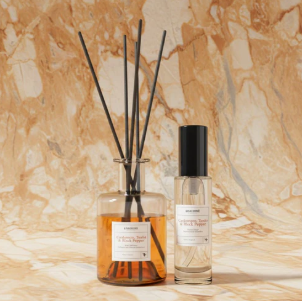
Stress, anxiety, and low mood affect millions of people every day. While there’s no magic fix for these challenges, many people find comfort in natural approaches that support emotional balance. Aromatherapy essential oils offer one such approach, using plant-based scents to influence mood and promote relaxation. These concentrated plant extracts have been used for centuries across different cultures for their calming and uplifting properties. If you’re dealing with everyday stress or looking for ways to enhance your self-care routine, understanding how aromatherapy works helps you use it safely and effectively for emotional support.
How Essential Oils Interact with the Brain and Nervous System
When you inhale essential oils, scent molecules travel through the nose to the olfactory system. This system connects directly to the limbic system, which controls emotions, memory, and stress responses.
Essential oils reach the body through two main pathways:
- Inhalation: Scent molecules stimulate brain regions that regulate mood, triggering calming or energising effects almost immediately
- Skin absorption: When properly diluted and applied topically, oil compounds enter the bloodstream and influence the nervous system
How Can Aromatherapy Support Emotional Health?
Research suggests potential benefits, though expectations should remain realistic.
Potential Benefits for Stress, Anxiety, Sleep, and Mood
Many users report positive effects in several areas:
- Stress reduction: Calming scents may lower cortisol levels and promote relaxation
- Situational anxiety: Certain oils help ease nervousness before events like presentations or flights
- Sleep quality: Relaxing aromas can support better bedtime routines and deeper rest
- Mood support: Uplifting scents may help shift emotional states during low periods
Key Essential Oils for Emotional Health
Different oils serve different emotional purposes based on their chemical compounds and traditional uses.
Calming Oils for Stress and Anxiety
These oils promote relaxation and help quiet an overactive mind:
- Lavender: The most researched calming oil, known for reducing anxiety and improving sleep
- Chamomile: Gentle and soothing, often used for nervous tension and restlessness
- Frankincense: Promotes deep breathing and is commonly used in meditation practices
- Sandalwood: Grounding and warm, helps ease mental chatter and promotes tranquillity
Uplifting Oils for Low Mood and Fatigue
These oils energise and brighten emotional states:
- Bergamot: Citrus scent that balances mood without overstimulating
- Sweet orange and lemon: Fresh, cheerful aromas that combat sluggishness
- Ylang-ylang: Floral and sweet, traditionally used to ease tension and lift spirits
- Jasmine and rose: Rich, luxurious scents associated with emotional comfort and self-love
Grounding and Focus Blends
For overwhelm, irritability, and scattered thoughts, grounding oils help restore balance:
- Vetiver: Earthy and stabilising, often called the “oil of tranquillity.”
- Cedarwood: Woody aroma that promotes focus and mental clarity
- Patchouli: Deep and musky, helps with emotional grounding
- Peppermint: Cooling and refreshing, supports mental alertness when combined with calming oils
Safe Ways to Use Essential Oils for Emotional Support
Proper application methods ensure effectiveness while minimising risks.
Diffusion, Inhalation, and Topical Use
Three primary methods work well for mental wellness:
- Diffusion: Add a few drops to a diffuser to spread scent throughout a room for 30 to 60 minutes
- Direct inhalation: Place a drop on a tissue or inhale from the bottle for quick relief
- Topical application: Dilute with carrier oil (like jojoba or coconut) and apply to pulse points, temples, or soles of feet
Always dilute aromatherapy essential oils before skin application. A standard ratio is 2 to 3 drops of essential oil per teaspoon of carrier oil.
Safety Basics
Essential oils are potent and require careful handling:
- Patch test: Apply diluted oil to a small skin area and wait 24 hours before wider use
- Pregnancy cautions: Many oils are not recommended during pregnancy, so consult a healthcare provider
- Medical interactions: Some oils may interact with medications or affect certain health conditions
- Pet safety: Many essential oils are toxic to cats and dogs, so research before diffusing around animals
- Avoid ingestion: Do not swallow essential oils unless directed by a qualified practitioner
Building Simple Daily Rituals
Consistency amplifies benefits. Consider incorporating aromatherapy into existing routines:
- Bedtime: Diffuse lavender or chamomile while winding down for sleep
- Meditation: Apply frankincense or sandalwood before practice to deepen focus
- Baths: Add a few diluted drops to bathwater for a relaxing soak
- Mindful moments: Keep a roller bottle of calming blend for stressful situations throughout the day
Bottom Line
Aromatherapy offers a gentle, accessible way to support emotional health alongside other wellness practices. While not a cure for mental health conditions, essential oils can help manage everyday stress, improve sleep, and lift mood when used safely and consistently. Choosing the right oils for your needs and building simple rituals makes aromatherapy a valuable part of your self-care toolkit.
For those looking for thoughtfully crafted blends, anatomē offers premium essential oils designed to support relaxation, focus, and emotional balance. Each product combines ethically sourced, pure oils to enhance your daily wellness rituals naturally.


