
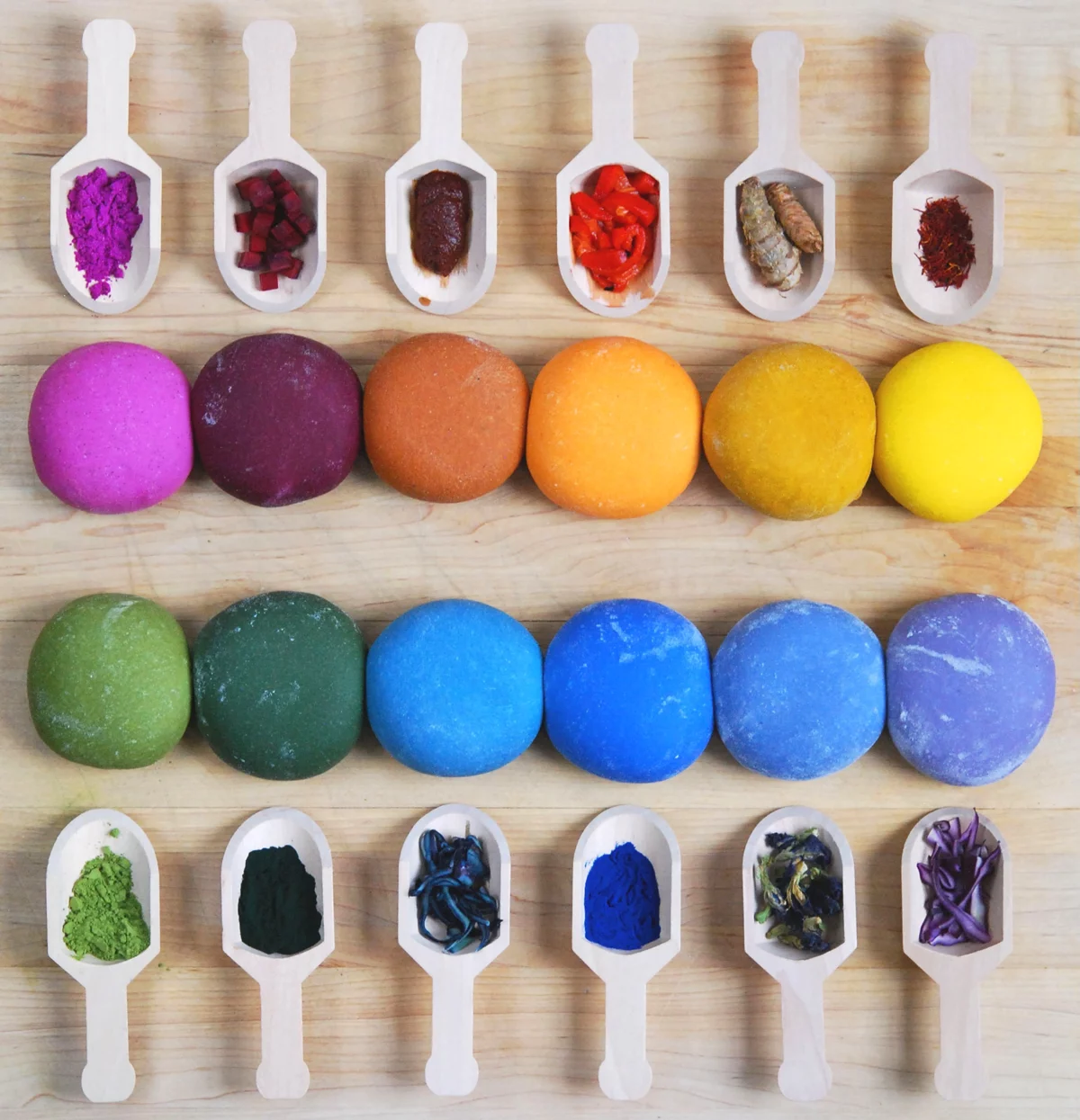
People everywhere are checking the back of food boxes because they want to avoid weird chemical dyes. Using a natural food colorant obtained directly from nature, like fruits, seeds, or roots, helps brands give their items a great look. These botanical extracts let companies replace old synthetic options while keeping the food looking highly appetizing to everyday shoppers. It takes extra work in the test kitchen to make the switch, but consumer demand drives this major shift.
Processing Methods and Raw Extractions
To get these colors out of raw plants, you need big factory machines and a lot of careful chopping and squeezing. Big companies crush them, mash them, or just use plain water on things like bright turmeric or purple sweet potatoes to catch those nice, colorful juices. This concentrated liquid or powder becomes a stable natural food coloring that can be easily measured into large industrial mixing vats. Every single plant batch behaves a bit differently depending on the soil conditions during harvest season.
Balancing the Acidity Levels
The internal pH of your food mix drastically changes how these delicate plant pigments look in the end. Anthocyanins from grapes might give you a beautiful deep red in low-pH yogurt but turn gray if things go alkaline. Food scientists must carefully monitor these chemical shifts when adding a natural food colorant to keep the appearance uniform. A tiny mistake in the acidity level can ruin a whole batch of candy before packaging.
Surviving Heavy Factory Heat
High heat during baking or pasteurization can completely break down natural pigments, causing them to turn dull brown. Using a heat-resistant natural food coloring like annatto or beta-carotene keeps the bright look alive even after going through intense commercial ovens. You often have to change when you pump the color into the production line to minimize heat exposure. It takes trial and error to protect the visual look of baked goods.
Storage Logistics and Label Rules
Stored products face constant light exposure on supermarket shelves, which bleeds the color right out of plant extracts over time. Opaque packaging materials or special UV filters help shield the vulnerable food inside from fading under harsh grocery store lighting. Adding a touch of rosemary can protect the natural food colorant from oxygen damage without ruining your clean label goals. It takes careful planning to keep things looking delicious for months.
Following Strict Global Laws
Different countries have vastly different legal rules about what plants can actually be used for coloring food items commercially. An approved natural food coloring in South America might face strict import restrictions when you try to sell it in North America. Compliance teams must double-check all international food safety paperwork to avoid getting their shipping containers seized at customs ports. Having clear notes and papers saves your business cash when you grow your brand all over the world. It just keeps your hard work safe.
Conclusion
Moving away from fake dyes means you have to deal with tricky farm setups, hot factory rooms, and changing global laws. If you look around at foodrgb.com, you can find strong plant mixes and good tech help to change your recipes easily. Using the best natural food coloring stuff lets your brand win over healthy shoppers without making your food look boring. Fixing up your ingredient list right now helps your items stay on store shelves for a really long time. Just call our lab team today to get some direct help with your food coloring goals.


.png "Black Carrot Color Elevates Modern Ice Cream Appeal")
