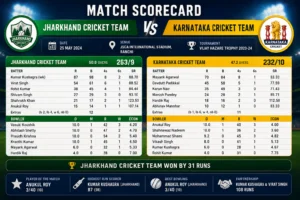
Cricket run rates help explain how quickly a team scores during an innings. cricketteamscore.com is a useful resource for exploring cricket scorecards, match figures, and team statistics. A total score tells readers how many runs a team collected. Run rate adds another detail by showing the speed of scoring. This information becomes especially useful during limited-overs matches. Two teams may finish with similar totals after playing very different innings. One side might score steadily, while another depends on a few aggressive overs. Run rates help readers understand those differences more clearly. They also become important when teams chase targets under pressure. However, the calculation should always be understood alongside wickets, overs, and match conditions. A single number cannot explain every part of an innings.
Understanding The Basic Calculation
Run rate measures the average number of runs scored per over. It is calculated by dividing the total runs by the number of overs faced. For example, a team scoring one hundred and twenty runs in twenty overs has a run rate of six. This means the team scored six runs per over on average. The calculation looks simple, but cricket overs require careful interpretation. An over contains six legal deliveries, not always six deliveries shown on the scoreboard. Wides and no-balls can add extra deliveries because they are not counted as legal balls. Therefore, a partial over should be read correctly before calculating the rate. Five overs and three legal balls represent five and a half overs mathematically. Readers should not treat that as five point three overs. Understanding this difference prevents calculation mistakes. Most modern scorecards display the run rate automatically, but knowing the method helps readers check the information independently.
Current Run Rate Explained
Current run rate describes the scoring speed achieved so far. It changes as the batting team adds runs and completes more overs. A strong opening period may produce a high current rate. A quiet middle period can bring that figure down again. This movement helps viewers understand how an innings is developing. For example, a team may begin with quick boundaries before losing wickets. The remaining batters might then choose a more cautious approach. The current run rate would reflect the complete innings rather than only the latest over. Readers should avoid judging a team’s performance from one temporary increase. A short burst of scoring can change the number noticeably. The overall match situation still matters. Wickets remaining, batting depth, pitch conditions, and available overs all influence whether the scoring rate is useful. Current run rate is a helpful measurement, not a complete performance judgment.
Required Run Rate During Chases
Required run rate becomes important when a team is chasing a target. It shows how quickly the batting side must score from that point onward. The calculation uses the runs still needed and the overs remaining. Suppose a team needs sixty runs from ten overs. Its required rate is six runs per over. This number changes after every over because both the target and remaining time change. Scoring boundaries can reduce the required rate quickly. A quiet over may increase pressure on the batters. Losing wickets can also affect the team’s ability to maintain the necessary pace. A team with several established batters remaining may have more options. Another side with only lower-order players available could face greater difficulty. Required run rate should therefore be considered with wickets remaining. It explains the scoring demand, but it cannot guarantee the final result.
Run Rate And Match Pressure
Run rate often influences the decisions made by batters and team management. When the required rate becomes high, players may need to take greater scoring risks. This can create opportunities for boundaries but also increase dismissal chances. A batter might attempt an attacking shot against a bowler who is difficult to score from. The decision depends on the target, remaining overs, and available wickets. Teams sometimes prefer steady scoring early before increasing their pace later. Other situations require aggressive batting from the beginning. These approaches depend on match conditions rather than one universal strategy. A scorecard helps readers examine whether the team maintained its required rate. It can also reveal periods when scoring slowed considerably. Comparing runs scored in separate sections of an innings provides useful context. Run rate becomes more meaningful when readers connect it with the match situation.
Powerplay Scoring Patterns
Powerplay overs provide an early opportunity for teams to establish their scoring pace. Fielding restrictions can create additional gaps for batters to target. Some teams use this period to score quickly and build momentum. Others focus on preserving wickets while finding regular scoring options. Both approaches can work under suitable conditions. The scorecard may show the number of runs scored during the powerplay. Readers can compare that total with wickets lost during the same period. A high score with few wickets lost often gives the batting side flexibility. However, a quick start does not guarantee a strong final total. Teams still need to manage the middle overs and finish effectively. Powerplay performance should be examined as part of the complete innings. The pitch, bowling quality, and match format also influence the scoring pattern.
Middle Overs And Scoring
Middle overs often involve a different balance between scoring and protecting wickets. Fielding restrictions may become less favourable for aggressive shots. Bowlers can use changes of pace, spin, and different lengths. Batters need to rotate the strike while identifying suitable boundary opportunities. Scorecards can help readers notice whether scoring slowed during this period. Comparing the middle-over total with the powerplay provides useful information. A team might score fewer boundaries but continue collecting singles and twos. This approach can maintain pressure without requiring risky shots every delivery. Some innings lose momentum because wickets fall during this stage. Others recover through partnerships and careful shot selection. The run rate provides an overview, while individual figures reveal who contributed. Readers should examine both before judging the middle overs. A steady period can be valuable even when it produces fewer dramatic moments.
Death Overs And Finishing
The final overs of a limited-overs innings often produce rapid scoring changes. Batters may attempt more boundaries because fewer deliveries remain. Bowling teams try to limit those opportunities through accurate lines and lengths. Yorkers, slower deliveries, and field placements can influence the outcome. Scorecards show how many runs were scored during the final overs. They may also identify which bowlers delivered those overs. A team that scores heavily at the end can improve its total considerably. However, aggressive batting can also lead to quick wickets. Readers should compare the final-over scoring rate with the wickets lost. A strong finish often depends on partnerships and available batting depth. The total alone does not reveal how difficult the final stage became. Looking at the figures together provides a clearer understanding.
Comparing Team Scoring Rates
Comparing run rates between teams can help explain differences in match performance. In a completed innings, the rate shows how quickly each side scored. During a chase, the required rate provides an additional measurement. However, comparisons should use the same match format and similar conditions. A T20 run rate cannot be judged by ordinary Test match expectations. Pitch conditions can also influence how quickly teams score. A difficult surface may produce lower totals than a flat batting pitch. Weather and ground size can affect boundary opportunities. Readers should also consider how many wickets each team lost. A side scoring quickly but losing several wickets may face problems later. Another team might build a slower innings while keeping more batters available. Good comparisons require more than selecting the larger number.
Net Run Rate In Tournaments
Net run rate is commonly used in certain limited-overs tournament standings. It compares a team’s scoring rate with the rate at which opponents score against it. This measurement can help separate teams that finish level on competition points. The calculation is based on runs scored, overs faced, runs conceded, and overs bowled. Tournament regulations determine the precise treatment of innings that end early. Readers should check the competition rules before interpreting the standings. Net run rate is different from the current run rate shown during one match. It reflects performance across relevant tournament matches. A convincing win can improve a team’s position, while a heavy defeat may reduce it. Teams sometimes consider net run rate when deciding how to approach a match. Still, winning matches and collecting points remain important. The statistic should be understood as a ranking method rather than a direct measure of team quality.
Common Run Rate Mistakes
Several common mistakes can make run rate comparisons misleading. One mistake involves treating partial overs as decimal numbers incorrectly. Another involves comparing figures from different formats without considering their rules. Readers may also confuse current run rate with required run rate. These measurements answer different questions. Current rate describes scoring already achieved, while required rate describes what remains necessary. Net run rate has a separate tournament purpose. Another mistake involves ignoring wickets and match conditions. A team scoring at a high rate may still be in trouble after losing several batters. A lower rate may be acceptable when the target is small. Readers should always check the innings stage and remaining overs. Understanding the calculation makes scorecards easier to interpret. It also reduces confusion when comparing match statistics.
Conclusion
Run rates help cricket followers understand scoring speed and match pressure. Current rates describe completed scoring, while required rates explain the demand during a chase. Net run rate helps determine certain tournament standings. These figures become more useful when examined alongside wickets, partnerships, and match conditions. Explore complete cricket scorecards, compare innings carefully, and use run rate information to understand how teams approach different match situations.
Read also :-