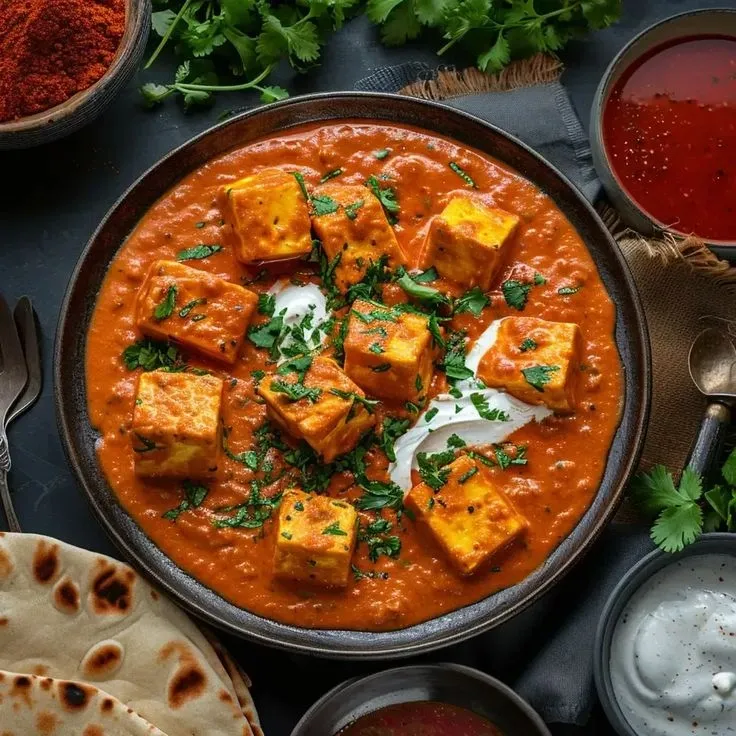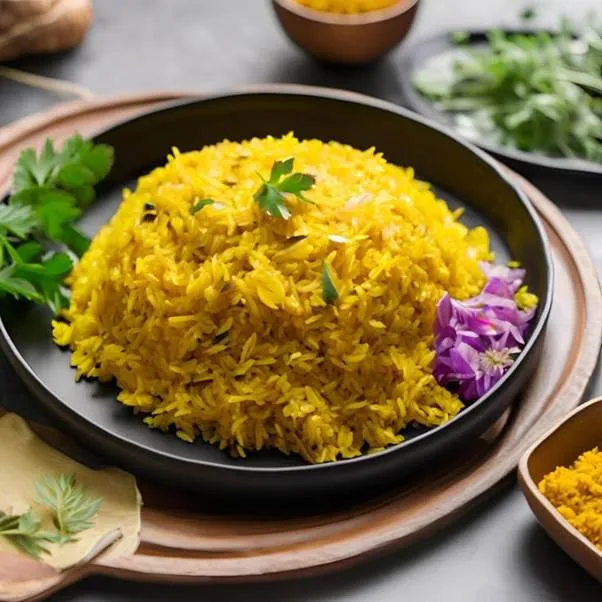
Sweet products get most of the color attention, yet savory foods lean on it just as hard. Yellow noodles, golden rice, mustard-style dressings and rich soups all depend on a warm tone that signals flavor and generosity. For many of them, turmeric color is the natural starting point, because it delivers a clean gold at very small doses. It behaves differently in a salty, acidic or alkaline kitchen than in a sweet one, though. Here is a food-by-food look at what changes.
Noodles and the Alkaline Surprise
Many noodle recipes use alkaline salts, which give a springy bite and a faint yellow of their own. That alkalinity is also a trap. Curcumin tends to shift toward orange or reddish-brown as pH climbs, so a dose that looked lemony in a test beaker can arrive as amber in the dough. Test in the real dough or noodle water and compare cooked and uncooked strands. If the tone runs warm, the fix may be a different grade or a blend, not less pigment.
Rice and Grain Dishes
Rice absorbs color unevenly. Grains near the edge of the container soak up more than those in the middle, which leaves a patchy plate. Dissolving the pigment in the cooking liquid before it boils spreads it better, and one well-timed stir helps. Brands selling ready-to-heat rice pouches should also check the shade after retort or microwave heating. What looked ideal in the container sometimes reads paler once it has steamed inside sealed film, so judge the finished pouch rather than the container.
Soups and Broths
Clear broths show every flaw, so a pigment that dissolves poorly leaves visible specks or an oily film on top. Water-dispersible forms usually suit these jobs better than oil-based ones. Long simmering and acid from tomatoes or lemon also change the tone over time. Season and color near the end of cooking when you can, then check how the soup looks after reheating, since many customers will warm it again at home. A short reheat test costs almost nothing and takes minutes.
Dressings and Mustard-Style Sauces
Emulsions put oil and water in the same bowl, so the form of the pigment matters a great deal. An oil-dispersible grade colors the fat droplets, while a water-based one tints the liquid phase, and the two give slightly different looks. Vinegar and spices add acidity and their own earthy tones. Run a pilot batch, then leave samples alone for a few days. Separation, settling and shade drift often show up only after the sauce has rested in its container.
Pickles, Brines, and Crunchy Snacks
Yellow pickles and relishes sit in acidic brine for months, so fresh color in the jar is just the beginning. Salt and vinegar are fairly kind to turmeric, but light through clear glass is not, which is why amber jars and printed sleeves exist. Crunchy snacks such as seasoned crackers and puffed rice bites face the opposite problem: oil and heat. Ask whether a given grade was developed for fat or for water, and test it where it will actually live.
Who Is on the Other End
A savory launch usually involves several textures and pH levels, so the person answering your questions matters. When comparing a natural food color supplier, notice who asks about your recipe before quoting a price. Good technical teams want to know whether you’re coloring dough, broth or sauce, and they send forms that fit each. Ask how turmeric lots stay consistent from season to season, and request samples in both liquid and powder. A reply full of real questions usually predicts a smooth project.
Tasting and Smelling the Result
Turmeric carries a faint aroma at higher doses, and not every recipe welcomes it. A bland rice pouch might pick it up, while a robust curry sauce will hide it. Run a blind tasting against an uncolored control and ask panelists what they notice. If a note appears, try a more refined grade, or a smaller dose paired with another yellow. Savory shoppers forgive visible color far more readily than odd flavor, so check the nose as well as the eye.
Conclusion
Savory kitchens ask more of a pigment than most people expect: alkali in the dough, acid in the jar, fat in the dressing. Matching each food to the right form takes a few trials, not a miracle. If you’re building a golden noodle, a ready meal or a new sauce, send the details to the team at foodrgb.com and ask for samples in liquid and powder. A handful of bench tests now will show which route suits your recipe, long before production begins.