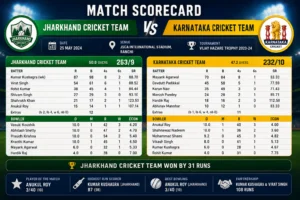
A cricket scorecard can tell a detailed story through numbers without using much written explanation. cricketmatchteam.com can help cricket followers explore scorecard information and understand the figures appearing beside players. The main table usually contains several statistics that can look confusing when viewed together. Runs, balls, wickets, overs, boundaries, extras, economy rate, and strike rate all have separate meanings. Learning the basic purpose of each figure makes match information easier to follow. It also helps readers compare performances more carefully instead of judging players from one number alone. A few minutes spent understanding these columns can make detailed cricket coverage much easier to read.
Runs Show Scoring Output
Runs are the most visible batting statistic because they directly show how many runs a player scored. The team total combines those batting runs with applicable extras. Individual run totals help identify major contributions during an innings. However, runs alone do not explain how efficiently the player scored them. A batter making sixty runs may have used a different number of deliveries depending on the situation. Readers should therefore check balls faced alongside runs whenever possible. This gives a clearer idea about the pace and role of the innings.
Balls Faced Add Context
Balls faced show how many deliveries a batter received during an innings. This figure becomes especially useful when readers compare players with similar run totals. Fifty runs from thirty balls represents a different scoring approach from fifty runs after seventy deliveries. Neither number automatically defines the quality of the innings because match conditions and team requirements matter. Still, balls faced provides useful context for understanding scoring speed. In longer formats, a high number of balls can reflect concentration and defensive play rather than slow scoring alone.
Boundaries Explain Scoring
Fours and sixes show how many runs a batter scored through boundaries. These numbers can help readers understand the way a player accumulated runs. A batter with many boundaries may have relied heavily on attacking shots, while another may have collected runs through singles and doubles. Boundary counts are particularly noticeable in shorter formats where aggressive scoring can quickly change the innings. They do not explain every aspect of batting, but they add useful detail beside the run total. Checking boundaries alongside balls and strike rate creates a more complete picture.
Strike Rate Shows Pace
Strike rate compares runs scored with balls faced and is commonly emphasized in limited overs cricket. A higher strike rate generally indicates faster scoring over the deliveries faced. However, the useful level can depend strongly on match format, pitch conditions, innings stage, and team requirements. A batter may deliberately slow down after early wickets to stabilize the innings. Another may need to attack because the required rate is high. Strike rate is therefore a useful measurement, but it should not be treated as a complete evaluation of a player’s performance.
Overs Measure Bowling Work
Overs show how many sets of six legal deliveries a bowler has completed. This figure helps readers understand workload during an innings. In limited overs cricket, bowlers have restrictions on how many overs they can deliver. Longer formats allow much larger workloads and different bowling strategies. An incomplete over may appear as a number with a decimal, but cricket scorecards use that notation differently from normal decimal measurements. For example, five overs and three balls may be displayed as 5.3. Understanding this prevents common mistakes when reading bowling figures.
Economy Shows Bowling Control
Economy rate indicates how many runs a bowler concedes per over on average. It is particularly useful when assessing control over scoring during limited overs matches. A low economy rate can indicate that a bowler restricted scoring effectively, while a higher figure shows that more runs were conceded. Context still matters because some bowlers are used specifically to attack wickets. They may accept additional runs while creating chances. Economy should therefore be considered alongside wickets, overs, match conditions, and bowling role.
Wickets Mark Major Changes
Wickets are central to understanding how an innings developed. Each dismissal removes a batter from the available lineup, although the exact implications differ depending on the match situation. A scorecard shows which bowlers took wickets and how individual batters were dismissed. Fall of wickets information can also show when major changes happened during an innings. Early wickets may force defensive play, while late wickets can limit finishing options. Looking at wickets together with the score and overs gives readers a clearer understanding of pressure.
Extras Add More Runs
Extras contribute to the team total without becoming individual batter runs. Wides, no balls, byes, and leg byes are the main categories readers may see in a scorecard. Each category has different implications for the bowler and batting team. Wides and no balls can provide additional opportunities because they may also involve extra deliveries. Byes and leg byes are recorded separately from batter scores. Checking the extras line can therefore explain differences between the team total and the combined runs listed beside individual batters.
Partnerships Show Cooperation
Partnerships describe runs scored between two batters while they remain together at the crease. They can reveal important periods that individual scores do not fully explain. A strong partnership may rebuild an innings after early wickets or create momentum before the final overs. Lower order partnerships can also add valuable runs when fewer recognized batters remain. Partnership figures provide another way to understand how an innings developed. They are particularly useful when one player scores heavily while another contributes through support and strike rotation.
Conclusion
Understanding basic scorecard numbers makes cricket statistics much easier to follow during and after matches. Runs, balls, boundaries, strike rate, overs, economy, wickets, extras, and partnerships each provide different information. None of these numbers should normally be considered completely on its own because match format and circumstances affect their meaning. Regularly reading scorecards can make these details familiar without requiring complicated statistical knowledge. cricketmatchteam.com can provide readers with additional cricket information while they explore scorecards, player performances, match statistics, and game details.
Read also :-
australian men’s cricket team vs pakistan national cricket team match scorecard