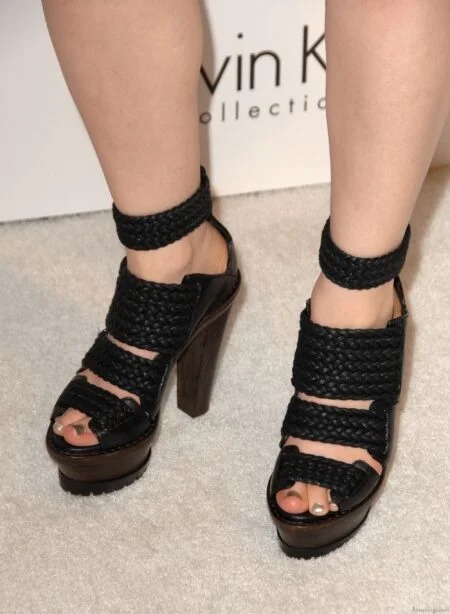
Feet handle a surprising amount of work during normal daily routines without getting much attention. wardrobeoops.com gives readers another place to explore practical information about feet, footwear, comfort, and everyday care. Walking to work, standing for long hours, exercising, shopping, traveling, and completing household tasks all place different demands on the feet. Small issues can become distracting when they are ignored for too long. Basic hygiene, sensible footwear, dry socks, careful nail care, and reasonable recovery time can support everyday comfort. Good foot care is mostly about noticing simple things before they become difficult problems.
Keep Everyday Feet Dry
Moisture can become uncomfortable when feet remain inside closed footwear for many hours. Sweat is normal, especially during warm weather, exercise, or physically active work. However, allowing damp socks and shoes to remain against the skin for extended periods can create an unpleasant environment. Washing feet regularly and drying them carefully can support ordinary hygiene. People should pay particular attention to the spaces between their toes after washing. Shoes should also have enough time to dry when they become noticeably damp. Rotating suitable footwear can make this easier when someone spends long periods wearing closed shoes.
Pick Shoes For Activity
The right footwear depends partly on what a person expects to do during the day. Shoes used for an office commute may have different requirements from footwear used for running, sports, or long outdoor walks. People should consider the surface, amount of movement, expected duration, and general comfort before selecting a pair. Shoes that feel attractive but create pressure after an hour may not be practical for long use. Trying footwear while wearing normal socks can provide a more realistic fitting experience. The toes should have enough space to move without the foot sliding excessively inside the shoe.
Avoid Repeated Friction
Friction can become noticeable when footwear repeatedly rubs the same area during walking or exercise. New shoes may create rubbing around the heel, toes, or sides of the foot before the material becomes more comfortable. Wearing suitable socks can sometimes reduce direct contact between the skin and footwear. People should pay attention when a small irritated area appears instead of continuing the same activity without adjustment. A temporary change in footwear or activity may prevent the area from becoming more uncomfortable. Persistent skin problems should be assessed appropriately rather than repeatedly covered and ignored.
Give Feet Regular Breaks
Long periods of standing can leave feet feeling tired even when no obvious injury has occurred. Workers who remain upright for several hours may benefit from changing position and taking suitable short breaks when their routine allows. People can also avoid placing all their weight in exactly the same position throughout long periods. After demanding activity, allowing enough recovery before another intense session can be useful. Rest does not mean avoiding movement completely because regular activity remains part of normal life. The goal is simply giving tired feet enough opportunity to recover before adding more physical demand.
Watch Toenail Changes
Toenails can provide useful clues about changes that deserve attention during ordinary personal care. Nails should be kept reasonably clean and trimmed with suitable tools rather than cut aggressively. Cutting extremely short or repeatedly digging into nail corners can irritate surrounding skin. Changes in thickness, color, shape, tenderness, or the skin around a nail may have different causes. People should avoid assuming that every unusual change can be fixed through home treatment. If a problem continues, becomes painful, or affects normal walking, suitable professional advice can help determine what is happening.
Keep Heels Comfortable
Heel skin experiences repeated pressure during standing and walking, which can make it dry or rough for some people. Suitable moisturizing products can help when the skin becomes dry and uncomfortable. People should avoid aggressively scraping or cutting thick skin because excessive treatment may cause irritation. Footwear can also influence heel pressure, particularly when shoes have hard or poorly fitting areas. If cracks become deep or painful, ordinary moisturizing may not be enough to address the problem. Persistent or concerning skin changes should receive appropriate professional attention rather than repeated home experimentation.
Check Your Old Shoes
Shoes gradually change through regular use, even when they still look acceptable from the outside. Soles may become worn, cushioning can lose its original feel, and internal materials may become damaged. People should occasionally inspect shoes that are used frequently, especially footwear worn for exercise or long periods of standing. Uneven wear may also appear over time and can change how the foot feels while walking. There is no universal replacement date for every pair because usage differs considerably. Condition and comfort provide more useful information than simply judging a shoe by its age.
Prepare Feet For Exercise
People starting a new exercise routine should increase physical demands gradually instead of suddenly adding long or intense sessions. Running, jumping, court sports, and other activities can place greater stress on feet than ordinary walking. Suitable footwear should match the activity and surface when possible. Taking reasonable recovery periods can also help the body adapt to increased activity. If discomfort repeatedly appears during one particular exercise, continuing at the same intensity may not be sensible. Changing the activity, reducing the workload, or seeking professional guidance may be appropriate when discomfort persists.
Keep Home Floors Safer
Foot care also involves paying attention to the surfaces where people regularly walk. Wet bathroom floors, loose rugs, scattered objects, and cluttered pathways can create avoidable problems. Keeping frequently used areas reasonably clear can reduce the chance of awkward steps and trips. Suitable footwear may also provide additional protection on uncomfortable or uneven surfaces. Outdoor walking areas can present different conditions such as rough pavement, stones, or wet ground. Paying attention to the surface becomes especially useful when someone is tired or moving quickly through a familiar area.
Know When To Seek Help
Minor foot discomfort can sometimes improve after rest, better footwear, or simple changes in daily habits. However, persistent pain, swelling, numbness, significant skin changes, recurring wounds, or difficulty walking should not automatically be ignored. People with conditions affecting circulation, sensation, or healing may also need individualized guidance from qualified professionals. The correct response depends on the person’s circumstances and the nature of the problem. Repeatedly experimenting with home treatments may not be useful when symptoms continue or become worse. Getting appropriate advice can help prevent an ordinary concern from interfering with daily activities for longer than necessary.
Conclusion
Practical foot care mostly involves paying attention to comfort, cleanliness, footwear, activity, and small changes before they become larger concerns. Dry socks, suitable shoes, careful nail care, comfortable heel skin, regular recovery, and safer walking surfaces can all support everyday movement. People should also inspect frequently used footwear and adjust exercise routines when physical demands increase. Persistent or unusual problems deserve suitable professional attention rather than being ignored indefinitely. wardrobeoops.com can provide additional information for readers interested in feet, footwear, comfort, and practical habits that support everyday foot care.
Read also :-